
Published: 18 Feb 2026
There’s a quiet power in simplifying the way we eat. Not through rigid rules or extreme restriction, but by returning to food that supports healing, stable energy, and sustainable fat loss. When we focus on nourishment rather than punishment, the body responds differently. It feels safe enough to repair, to regulate hormones, and to let go of excess weight.
Vegetables as the Foundation
Vegetables form the base of this approach. A plate filled with colour; leafy greens, cruciferous vegetables, deep orange squash, vibrant peppers, delivers fibre, antioxidants, and micronutrients that reduce oxidative stress and support gut health. When half your plate is vegetables at lunch and dinner, inflammation lowers, digestion improves, and satiety increases naturally. Organic options can reduce pesticide exposure when accessible, but variety and consistency matter more than perfection.
Protein at Every Meal
Protein becomes non-negotiable. Every meal should contain a meaningful source, because protein is what the body uses to repair tissue, maintain lean muscle, regulate appetite, and stabilise blood sugar. Without enough protein, fat loss often means muscle loss, and recovery slows.
A protein-rich breakfast is especially powerful. Starting the day with eggs and greens, Greek yogurt with berries, or a protein smoothie built around berries rather than fruit juice prevents the mid-morning crash that sends you searching for sugar. It keeps energy steady and cravings quieter.
Reducing Sugar and Alcohol
Sugar, including alcohol, deserves honest attention. Excess sugar drives inflammation and unstable blood glucose patterns that make both healing and fat loss harder. Alcohol is processed preferentially by the liver, which temporarily pauses fat burning. This does not demand total deprivation, but it does call for awareness. Reducing added sugars and being intentional with alcohol creates metabolic space for progress.
Rethinking Coffee and Supporting Stress
Caffeine can raise cortisol temporarily, and for some people this contributes to anxiety, poor sleep, or reliance on stimulation instead of nourishment. If you feel wired, exhausted, or dependent on multiple cups to function, reducing or replacing coffee may help. Herbal options can offer a gentler ritual while supporting stress resilience. Consistent sleep and morning light exposure do so much for cortisol balance, energy stability, fat loss, and recovery.
Hydration and Oxygen: The Overlooked Essentials
Hydration underpins everything. Even mild dehydration affects cellular efficiency, physical performance, and cognitive clarity. Healing slows when the body lacks adequate fluid. Drinking consistently throughout the day, aiming for pale yellow urine as a simple marker, supports circulation, detoxification, and metabolic processes.
Breathing well may sound abstract, yet oxygen is required for every cell to produce energy. Slow, diaphragmatic breathing during daily activity help regulate the stress response and improve oxygen delivery. Posture matters too; a collapsed chest restricts airflow and subtly reinforces fatigue.
Smarter Carbohydrates and Juicing
Carbohydrates need not be feared, but quality matters. Instead of centring meals on refined breads and staples, shift emphasis toward vegetables, legumes, whole grains, and root vegetables. Adding more vegetables before removing starch creates abundance rather than restriction. The psychology of addition is far more sustainable than constant subtraction.
If juicing appeals, build juices around vegetables as well as fruit. Blending into smoothies is often superior because it preserves fibre, which moderates blood sugar and feeds the gut microbiome. Berries such as blueberries, raspberries and blackberries, are ideal fruits when sweetness is desired. They are rich in polyphenols and antioxidants.
Reducing Environmental Stressors
Beyond food itself, consider the environment in which it is stored and prepared. Minimising exposure to endocrine disruptors by choosing BPA-free containers, avoiding microwaving plastic, and favouring glass or stainless steel reduces unnecessary chemical burden. Small choices accumulate over time.
Only Eat Beautiful Food
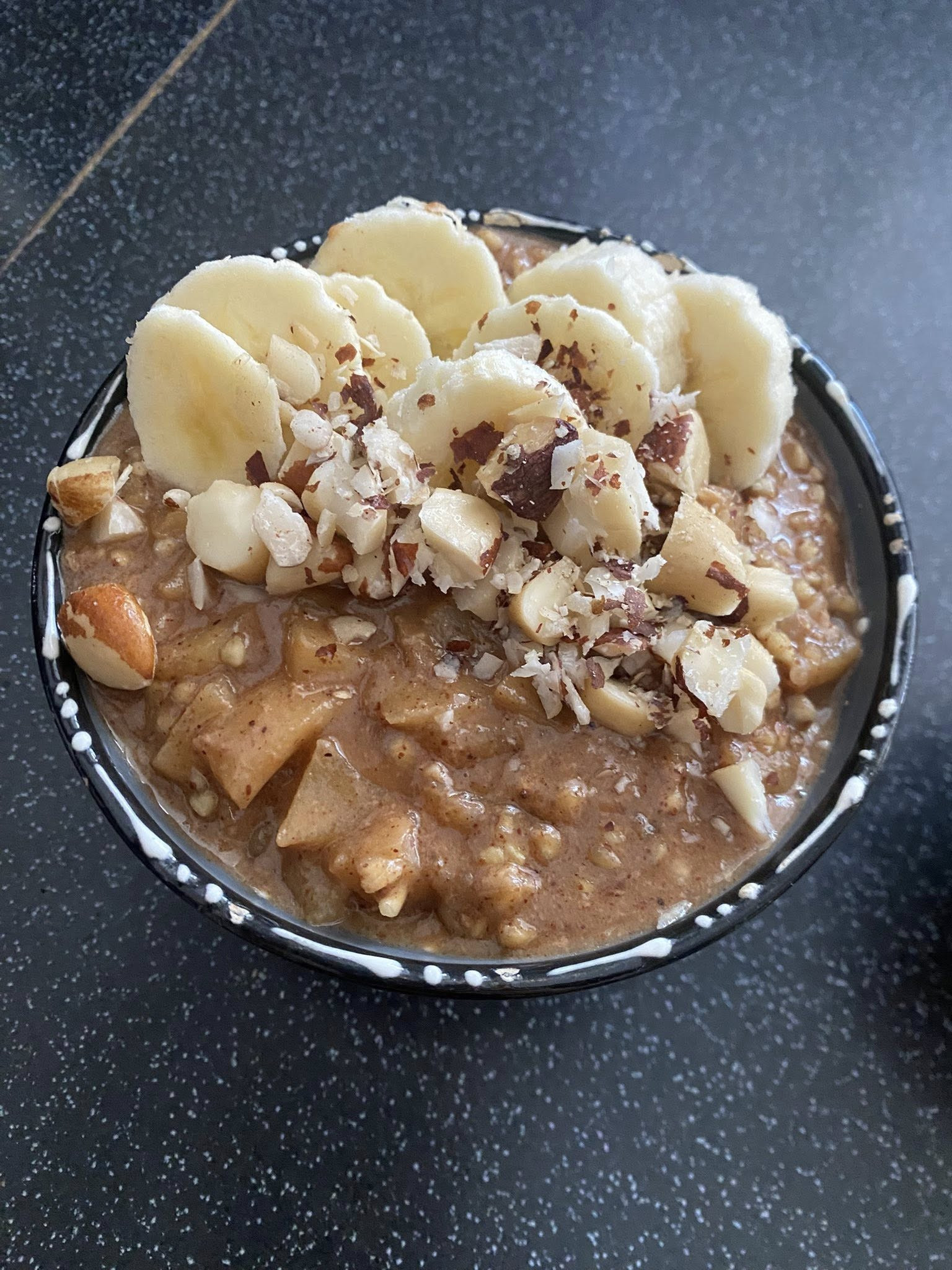
And then there is the guiding principle that ties it all together: only eat beautiful food. Beautiful does not mean elaborate or expensive. It means colourful, thoughtfully prepared, and worthy of your attention. When food looks vibrant and intentional, you slow down. You taste it. You respect it. That shift alone changes digestion, satisfaction, and the relationship you have with eating.
This way of eating is not extreme. It is protein-forward, vegetable-rich, lower in added sugar, supportive of stress regulation, and grounded in hydration and mindful preparation. It honours the body’s need for repair while creating the metabolic conditions that allow fat loss to occur naturally. When nourishment becomes the focus, results follow as a byproduct rather than a battle.